

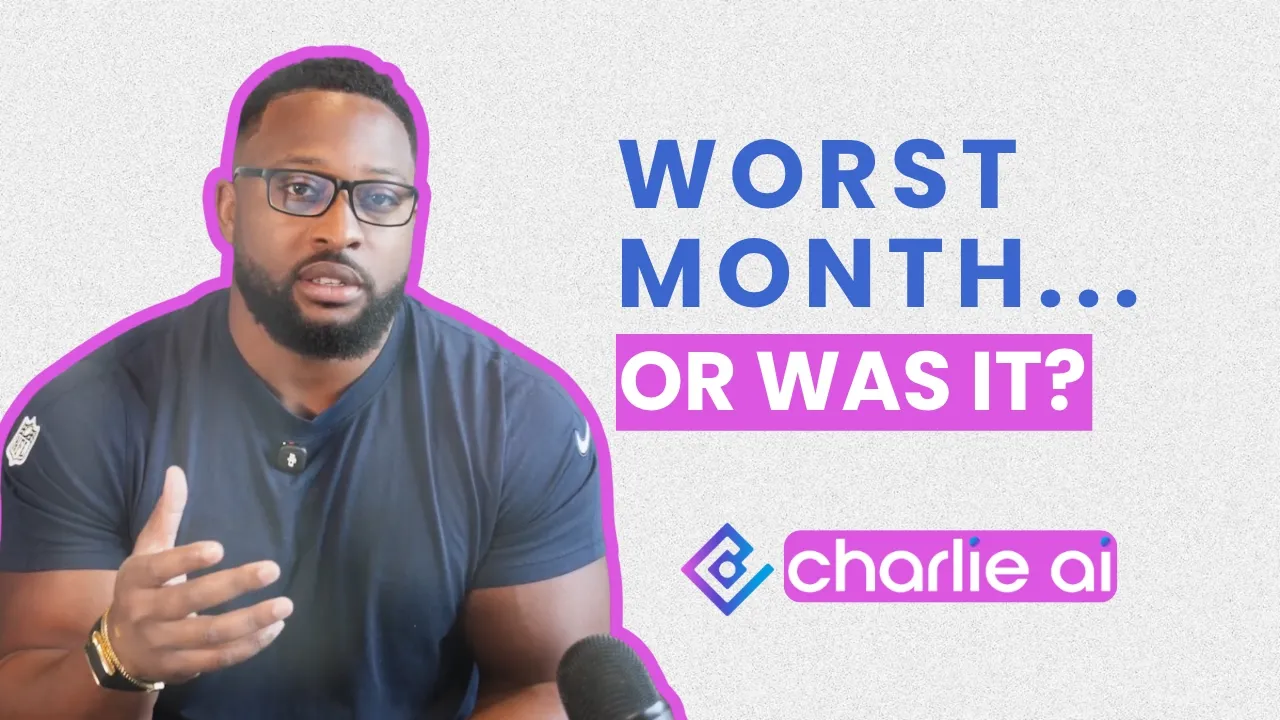
I told my team we might have just had our worst month ever.
Ad costs were climbing. Booking flows were breaking. Follow-ups were going out at the wrong times. Every time we fixed one problem, another showed up.
Across our portfolio, we manage close to $2 million in monthly ad spend. At that scale, small failures get expensive fast.
Then we closed out the month and checked the numbers.
A 5:1 return on cash.
I’d been judging the month by how difficult it felt to run the business. The results deserved a closer look.
Some systems needed fixing. Others were still producing through the disruption. Knowing the difference helped us decide where to focus.
When costs rise and bookings get harder, it’s tempting to question everything.
Is the offer losing its appeal? Has the market changed? Do we need a new funnel?
Those questions deserve investigation. But changing everything at once makes it harder to understand what actually went wrong. You can end up dismantling something that was still working.
We focused on the specific points where the process was breaking down.
One area that deserved more attention was how CharlieAI handled prospects who hesitated, pushed back, or gave answers that needed more digging.
With acquisition costs increasing, those conversations mattered even more. We were paying to bring people into the pipeline. We needed to make sure their interest got a thoughtful response.
A prospect who is ready to book doesn’t ask much of your sales system.
The harder test comes when someone says:
“I need to think about it.”
“That sounds expensive.”
“I’ve tried something like this before.”
An experienced setter knows those answers need context. The prospect might have a specific concern, misunderstand the offer, or simply need more information.
A rigid automated flow can miss that. It might ask for the booking again, deliver an irrelevant FAQ answer, or let the conversation end without understanding the hesitation.
These failures can be easy to overlook. Your dashboard may show fewer bookings without showing you which conversations broke down or why.
That’s why reviewing what happens inside the conversation matters alongside tracking the final conversion.
We built Conversational Skills to give Charlie a structured approach to moments that require more judgment.
Think about training a human setter. You’d teach them what to listen for, how to explore a concern, and when another question would be more useful than another booking request.
That’s the approach we took with Charlie.
When someone says, “I need to think about it,” Charlie can acknowledge the hesitation and ask a follow-up question to understand what remains unresolved.
A price objection might call for a conversation about the prospect’s goals, what they understand about the offer, or whether the investment makes sense for their situation.
The purpose is to help the prospect make an informed decision. That includes recognizing when moving toward an appointment isn’t the right next step.
Conversational Skills also serve a different purpose from Response Feedback.
Response Feedback helps refine an individual reply: its wording, tone, or fit with a brand’s voice.
Conversational Skills guide how Charlie approaches a situation across the conversation, including when to ask questions and how to explore resistance.
We currently have six thoroughly tested skills live, with approximately 10 more being tested.
More conversational flexibility creates more possible responses. Before introducing these skills, we needed to understand how Charlie would behave when a conversation became complicated.
We tested objections, unexpected answers, and situations that didn’t fit neatly into a predefined flow.
That’s something I’d encourage any founder to look at when evaluating an AI sales tool.
A polished demo can show you how naturally the AI speaks. Ask to see what happens when a prospect challenges the price, gives an unclear answer, or says they aren’t ready.
Those moments reveal much more about how the system will perform with your leads.
Our 5:1 return didn’t make the booking issues or rising costs irrelevant. It gave us context for addressing them.
We could preserve the systems that were producing while improving the areas that needed work.
The same principle applies to conversion. Before spending more to generate leads, look closely at what happens to the people already responding.
Are their questions being answered? Is hesitation being explored? Does the conversation help them decide whether the offer fits?
Those are useful places to start when your business feels harder to run and you need to understand what to improve next.
Watch the full Founder Fires episode above for the breakdown of that month and a closer look at CharlieAI’s Conversational Skills.
Want to see how Charlie could work with your sales process? Book a demo at https://www.charlieai.io/freedemo.
Stay calm, change lives, and have business on your terms.
Iggy
Experience It
Share your number and Charlie will text you to start a conversation. You can ask questions, explore features, or even request a call directly with the AI.