

Patrick Garcia had a webinar that generated about three bookings.
He also had a list of people who had registered but never booked. Reaching those prospects meant more calls, more messages, and more follow-up on top of everything else he was already doing.
As the founder of SaxLab, Patrick was marketing his year-long saxophone coaching program, handling sales, and teaching students himself.
He had made sales by manually calling leads. But keeping up with every prospect was becoming exhausting.
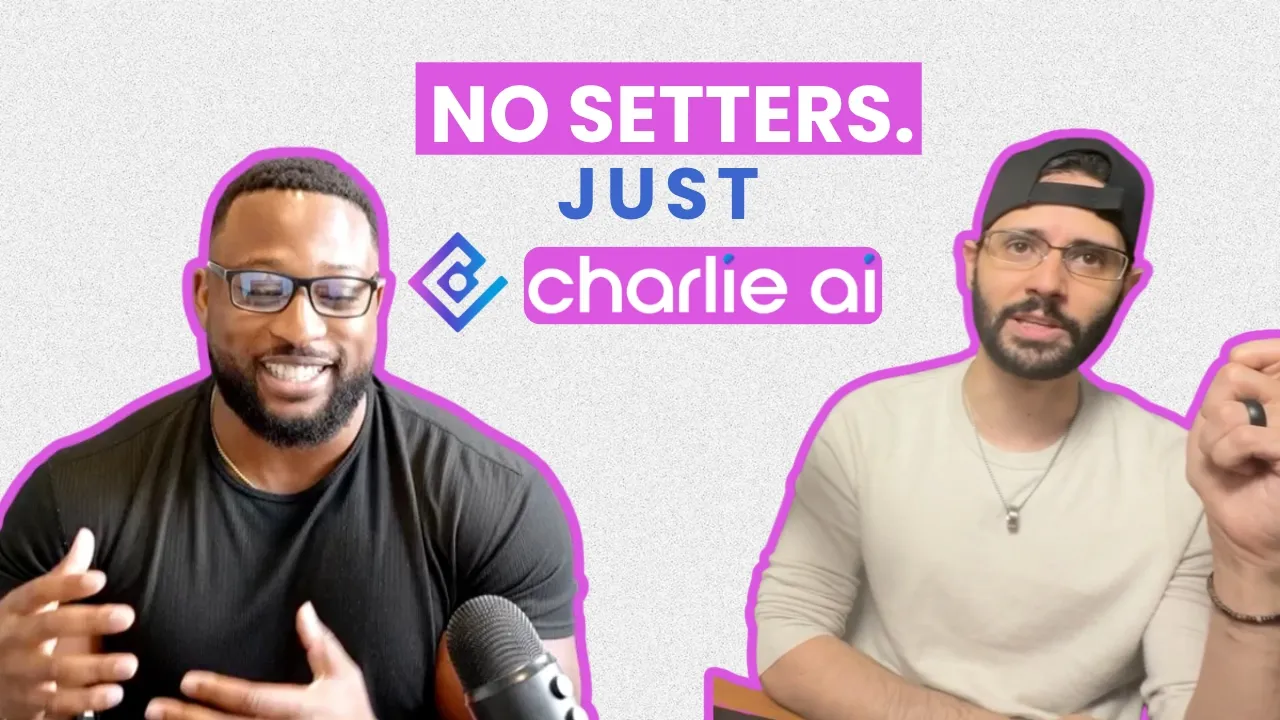
In our Founder Fires conversation, Patrick explained how he brought CharlieAI into that process and reached his first $25,000 cash-collected month without hiring appointment setters.
The webinar is a useful place to start, because its initial bookings only tell part of the story.
Patrick’s marketing combined organic content, Meta ads, landing pages, and live webinars.
People were showing interest. Getting them from that first expression of interest to a sales conversation required more work.
Some registrants never attended. Others watched without booking. Patrick could follow up himself, but every hour spent calling prospects was another hour he couldn’t spend with students or improving the business.
CharlieAI helped carry that work.
It could contact new leads within a minute of opting in, continue the conversation, and help interested prospects book calls.
After the webinar that produced about three direct bookings, Charlie continued engaging registrants who hadn’t attended and generated additional appointments.
Those prospects were already in Patrick’s funnel. Now there was a process for continuing the conversation after the event.
During the month we discussed, Patrick credited Charlie with three sales he believes he wouldn’t have had time to pursue himself.
That’s the question I’d encourage any founder running webinars to ask: What happens to the people who don’t book?
If the answer depends on finding a spare afternoon to call them, opportunities can sit untouched for a long time.
Patrick had previously reached approximately $25,000 in monthly revenue, with some customers paying in installments.
This milestone was different: his first month collecting $25,000 in cash.
That distinction matters when you’re evaluating the results.
We also reviewed these figures from his business and CharlieAI account:
A 48% lead response rate in the month discussed
A 14% lead-to-call-to-action rate
Three sales Patrick attributed to Charlie’s follow-up
No months below $15,000 since implementing Charlie, according to Patrick
The 14% figure measures leads reaching a call to action. It should be read separately from booked calls or completed sales.
Patrick still created the offer, attracted prospects, handled sales calls, and delivered the coaching. Charlie helped him follow up more consistently so more of those prospects could reach a conversation with him.
For a founder doing nearly everything himself, that was a meaningful change.
When every lead depends on you, an unfinished follow-up list becomes another thing you carry around all day.
You’re teaching a student while thinking about someone you need to call. You’re working on marketing while wondering whether yesterday’s prospect replied.
Patrick also needed to make bigger decisions about SaxLab.
His program included more one-on-one coaching than he could sustainably deliver at his original price. Growing would require changes to the offer, pricing, and eventually the instructors involved.
Those decisions need attention too.
Having Charlie handle more of the repetitive outreach gave Patrick room to focus on the business he was building, beyond the next appointment.
I’ve experienced that shift myself. I previously helped scale an operation with around 40 appointment setters and nearly 170 employees at its peak. Later, we brought that business back to approximately $1 million in monthly revenue with zero human appointment setters.
That experience changed how I evaluate a hiring need. Before adding another person, I want to understand which work needs human attention and which work a system can carry.
Patrick was facing that decision much earlier in his business.
Getting AI involved didn’t mean Patrick could skip the implementation work.
He worked with our team, reviewed conversations, and made adjustments to how Charlie communicated with prospects.
The system needed information about his offer, audience, and approach. Reviewing real exchanges helped identify what needed to change.
One customer later complimented the text conversations that led him to book a call. Patrick told him those messages had come from AI.
That’s a useful example of the experience Patrick was working toward: communication that helped someone feel comfortable taking the next step.
It also explains why training matters. Installing a tool is only the beginning. You still need to check how it represents your business and whether the conversations are moving in the right direction.
As follow-up improved, Patrick had another problem to work through: how to serve more students without filling every available hour himself.
His original pricing and level of one-on-one support made that difficult.
We talked about a challenge many coaches and service providers recognize. You can be excellent at your work and still charge too little to deliver it sustainably.
I learned that as a personal trainer.
I was charging around $25 a session when I met a trainer earning approximately $350,000 a year. He charged around $80 for a 30-minute session.
I moved into his garage and worked for him for free to learn how he ran the business. Within 90 days, I was delivering roughly 100 sessions a week at his price point.
That experience made me look differently at pricing, delivery, and capacity.
Patrick was working through those same questions at SaxLab. More appointments would only help if his coaching model could support the customers who came through.
Adjusting prices and bringing in additional instructors were part of building that capacity.
Patrick’s experience gives founders a practical place to look before increasing ad spend.
What happens after someone opts in?
How quickly are they contacted? Who follows up if they miss the webinar? Does the conversation continue if they show interest but don’t book immediately?
Patrick already had people entering his funnel. CharlieAI helped him keep working those opportunities while he continued selling and coaching.
He’s also exploring ways to reduce repetitive work in delivery, including preparing lesson recaps and homework assignments from coaching transcripts.
His first $25K cash-collected month marks a milestone. The next challenge is making room for continued growth across the business, from the first message to the lessons students receive.
▶️ Watch my full Founder Fires conversation with Patrick Garcia to hear how he implemented CharlieAI, what changed in his follow-up, and what he’s building next at SaxLab.
Want to see how CharlieAI could fit into your follow-up process? Book a free demo.
Experience It
Share your number and Charlie will text you to start a conversation. You can ask questions, explore features, or even request a call directly with the AI.